Wat Wax Explained: How This Simple Material Quietly Powers Everyday Life
But wat wax goes far beyond those everyday images. It’s one of those materials that quietly exists everywhere around us, doing important work without demanding attention. From homes to factories, from crafts to serious industrial processes, wat wax plays a role that’s bigger than many people realize.
In this article, we’re going to talk about wat wax in a clear, simple, and human way. No technical overload, no robotic explanations. Just real-world understanding. We’ll explore what it is, how it’s made, why it matters, where we use it, and why it continues to stay relevant even as technology moves forward.
Introduction
Wat wax is a solid, organic material that stands out because of its flexibility, stability, and adaptability. We use it when we need something that can protect, seal, polish, shape, or preserve. It melts when heated, hardens when cooled, and forms a protective barrier that resists moisture, air, and wear.
What makes wat wax special isn’t just one feature. It’s the combination of properties that allow it to fit into many roles. Whether we’re working on a small DIY project at home or managing large-scale manufacturing, wat wax quietly delivers reliable results.
Basics
At its core, wat wax is a wax-based substance derived from organic sources. That could mean plant-based materials, animal-derived components, or refined natural compounds. It has a solid structure at room temperature and a predictable melting point, which makes it easy to control and use.
We like wat wax because it’s stable. It doesn’t react aggressively with most materials, and it maintains its shape and function over time. This reliability is one reason it has been used for generations and continues to be trusted today.
Wat wax is usually smooth to the touch, slightly glossy, and resistant to moisture. These qualities might sound simple, but together they make it incredibly valuable.
History
Wax has been part of human life for thousands of years, and wat wax follows that long tradition. Early civilizations used wax for sealing letters, waterproofing tools, preserving food, and creating art. Over time, people learned how to refine wax to make it cleaner, stronger, and more versatile.
Wat wax evolved as people discovered better ways to process organic materials. As industries grew, the demand for a consistent, dependable wax increased. That’s where wat wax found its place. It became a standardized material that could be used repeatedly with predictable results.
Even today, while many synthetic alternatives exist, wat wax remains relevant because it balances performance with simplicity.
Properties
One of the reasons we rely on wat wax is its unique set of physical and chemical properties.
It’s solid at room temperature but melts smoothly when heated. This allows us to mold it, spread it, or coat surfaces easily. Once it cools, it hardens again without losing strength.
Wat wax is water-resistant, which makes it ideal for protective coatings. It also resists air exposure, slowing down oxidation and degradation in the materials it covers.
Another key property is flexibility. While solid, it isn’t brittle. It can absorb minor impacts and movements without cracking, which is important in both household and industrial use.
Types
Wat wax doesn’t come in just one form. Depending on how it’s processed and blended, we get different variations designed for specific uses.
Some types are softer and melt at lower temperatures, making them ideal for candles, polishes, and cosmetics. Others are harder and more durable, suited for industrial coatings or mechanical applications.
There are also blended wat waxes that combine natural wax with oils or resins to improve performance. These blends allow us to customize texture, melting point, and durability.
Each type serves a purpose, and choosing the right one depends on what we want to achieve.
Production
Producing wat wax starts with sourcing organic raw materials. These materials are cleaned, refined, and processed to remove impurities. The goal is to create a consistent wax that behaves the same way every time it’s used.
The refining process often involves heating, filtering, and cooling the wax multiple times. This improves clarity, texture, and stability.
What’s important here is control. By managing temperature and composition carefully, producers ensure that wat wax meets specific standards. That consistency is what allows industries to trust it for critical applications.
Household Uses
In our homes, wat wax shows up more often than we realize.
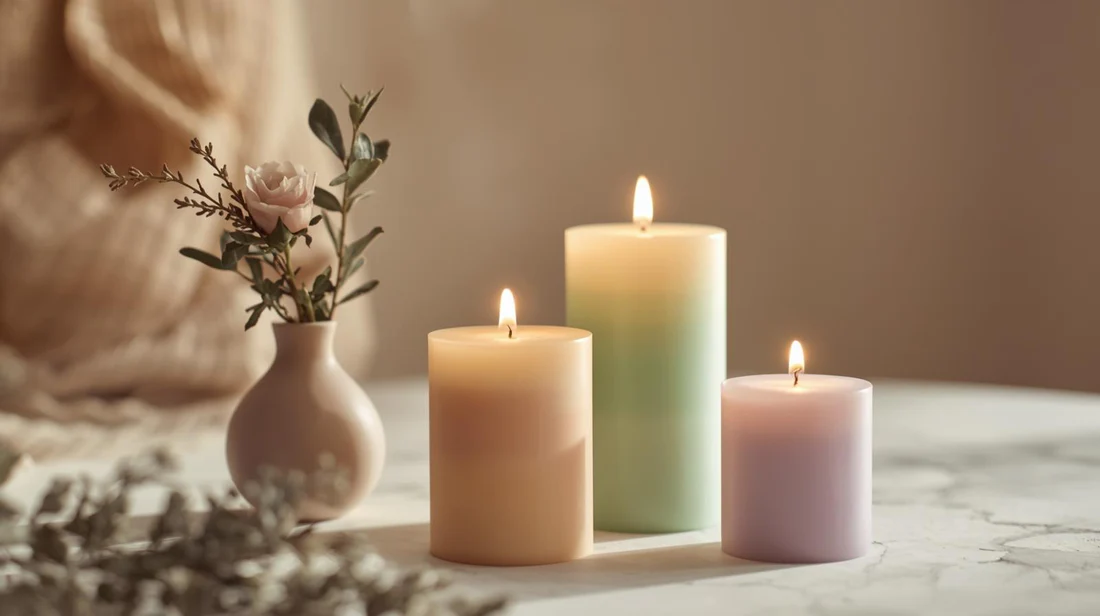
We use it in candles because it burns steadily and evenly. We apply it to furniture to restore shine and protect surfaces. We rely on it in floor polishes, shoe creams, and wood treatments.
Wat wax also plays a role in food preservation. It’s used as a coating on certain fruits and cheeses to lock in freshness and prevent moisture loss.
For DIY lovers, wat wax is a favorite material for crafts, molds, and handmade products. It’s forgiving, easy to work with, and delivers professional-looking results.
Industrial Uses
In industrial settings, wat wax becomes even more impressive.
Manufacturers use it as a lubricant to reduce friction between machine parts. It helps equipment run smoothly and extends the lifespan of tools.
In packaging, wat wax is used to coat paper and cardboard, making them resistant to moisture and grease. This is especially important for food and shipping industries.
Metalworking industries rely on wat wax for casting and molding. It allows precise shaping and clean release from molds, which improves accuracy and reduces waste.
Art
Artists have a long relationship with wax, and wat wax continues that tradition.
Sculptors use it to create detailed models before casting them in metal. Painters use wax-based techniques to add texture and depth to their work. Craftspeople use wat wax to seal, protect, and enhance handmade items.
The beauty of wat wax in art is its balance between control and freedom. We can shape it carefully or let it flow naturally, depending on our creative goals.
Cosmetics
In personal care products, wat wax is valued for its safety and performance.
It’s used in lip balms, creams, lotions, and hair products. It helps lock in moisture, stabilize formulas, and improve texture.
Wat wax forms a gentle barrier on the skin that protects without clogging pores. That’s why it’s often chosen for products designed for sensitive skin.
Its natural origin also appeals to people looking for cleaner, more traditional ingredients.
Sustainability
One of the reasons wat wax remains popular is its environmental profile.
As an organic material, it’s often biodegradable or at least less harmful than synthetic alternatives. When sourced responsibly, it can be part of a more sustainable production cycle.
Many industries are revisiting wat wax as they try to reduce reliance on petroleum-based products. Its long lifespan and reusability also help minimize waste.
Sustainability isn’t just about being new. Sometimes, it’s about continuing to use materials that have already proven their value over time.
Storage
Storing wat wax is simple, but a few best practices help maintain quality.
We keep it in a cool, dry place away from direct sunlight. Excessive heat can cause it to soften or deform, while moisture can affect surface quality.
When stored properly, wat wax has a long shelf life. That stability makes it cost-effective and reliable for both small-scale and large-scale use.
Safety
Wat wax is generally safe to handle, but like any material, it requires basic care.
When melting it, we avoid overheating to prevent burns or fire hazards. Using proper containers and heat sources makes the process safe and controlled.
In finished products, wat wax is non-toxic and widely accepted for household and personal use. This safety profile adds to its appeal.
Innovation
Even though wat wax has been around for a long time, innovation hasn’t stopped.
Researchers and manufacturers continue to experiment with blends and treatments that improve performance. Some new versions offer higher heat resistance, better flexibility, or enhanced durability.
Wat wax is also being explored in eco-friendly packaging and renewable material research. Its natural properties make it a strong candidate for future solutions.
Comparison
When we compare wat wax to synthetic alternatives, the differences are clear.
Synthetic materials may offer extreme performance in specific conditions, but they often come with environmental or safety trade-offs. Wat wax provides a balanced solution that works well across many situations.
It’s not always about being the strongest or the fastest. Sometimes, reliability, safety, and versatility matter more. That’s where wat wax shines.
Value
From a cost perspective, wat wax delivers excellent value.
It’s affordable, long-lasting, and easy to work with. We don’t need expensive tools or complex processes to use it effectively.
For businesses, this means lower production costs and consistent results. For households, it means dependable performance without complexity.
Everyday Impact
The true strength of wat wax lies in how seamlessly it fits into daily life.
We don’t notice it when our furniture shines, our candles burn evenly, or our packages stay protected. But it’s there, doing its job quietly and efficiently.
That kind of impact often goes unrecognized, yet it’s essential.
Future
Looking ahead, wat wax isn’t going anywhere.
As industries look for materials that balance performance with sustainability, wat wax remains a strong option. Its adaptability allows it to evolve alongside new technologies.
We’re likely to see it used in smarter packaging, cleaner manufacturing processes, and innovative consumer products.
Conclusion
Wat wax may not be flashy, but it’s incredibly important. It’s a material that has earned its place through centuries of use, refinement, and trust.
From homes to factories, from art studios to industrial plants, we rely on wat wax more than we realize. Its simplicity is its strength. Its versatility is its power.
By understanding wat wax, we gain a deeper appreciation for the everyday materials that quietly support our lives. And sometimes, those are the ones that matter most.