Ball Mill Grinding Process Optimization Tips for Higher Efficiency
In modern mining, cement, and mineral processing plants, the ball mill grinding process plays a critical role in turning raw materials into usable products. Yet, many operations fail to unlock the full potential of their systems, leading to higher energy costs, lower output, and unnecessary wear. Understanding how a Ball mill works and how to optimize it can make a powerful difference in productivity and profitability. With reliable solutions from Cementl, industries today have more opportunities than ever to achieve efficient and consistent grinding performance.
Understanding the Ball Mill Grinding Process
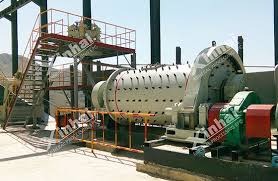
A Ball mill is a rotating cylindrical machine that uses steel balls or similar grinding media to break materials into fine particles. As the mill rotates, the media is lifted and then falls, creating impact and friction that gradually reduce material size. This process may look simple, but it relies on a delicate balance of speed, load, and internal design to work effectively.
The Ball mill remains popular because of its versatility. It can handle a wide range of materials, from cement clinker to ores and industrial minerals, and can operate in both dry and wet grinding conditions. Brands like Cementl design their mills to ensure stable operation and long service life, even in demanding environments.
Why Higher Efficiency Matters in Ball Mill Operations
Grinding is often the most energy-intensive stage in a processing plant. Even a small improvement in Ball mill efficiency can lead to major savings in electricity and maintenance costs over time. Higher efficiency also means better control over product size, more consistent quality, and increased throughput.
For cement plants especially, where margins are tight and demand is high, an efficient Ball mill can directly impact overall plant performance. Cementl focuses on energy-saving designs and optimized systems that help operators reduce operating costs while meeting production targets.
Key Factors That Affect Ball Mill Performance
Mill Speed and Its Impact on Grinding
The rotation speed of a Ball mill determines how the grinding media moves inside the shell. If the speed is too low, the balls simply roll, producing little grinding action. If it is too high, the balls stick to the wall due to centrifugal force. The ideal speed allows the balls to cascade and fall, creating strong impact for effective grinding. Cementl engineers carefully calculate this balance to ensure optimal performance.
Grinding Media Size and Distribution
The size and mix of balls inside the Ball mill influence how efficiently material is broken down. Larger balls are useful for coarse feed, while smaller balls improve fine grinding. Over time, media wears out and needs replenishment. Keeping the right distribution ensures stable grinding conditions and prevents energy waste.
Liner Design and Wear Condition
Liners protect the mill shell and shape the movement of the grinding media. Modern liner profiles can improve lifting action and enhance grinding efficiency. Worn liners reduce performance and increase power consumption. Cementl offers durable liner solutions that help maintain effective media motion and extend maintenance intervals.
Feed Size and Consistency
A consistent feed size allows the Ball mill to operate smoothly. Sudden changes can overload the system or reduce grinding efficiency. Proper upstream crushing and screening help maintain stable conditions and improve overall grinding results.
Practical Optimization Tips for Higher Efficiency
Regular monitoring is one of the most effective ways to optimize a Ball mill. Tracking power draw, output rate, and product fineness helps identify inefficiencies before they become serious problems. Small adjustments to speed, media load, or feed rate can often restore performance quickly.
Another important step is scheduled inspection and maintenance. Checking liners, bearings, and drive systems ensures the mill runs smoothly and avoids unexpected downtime. Cementl supports operators with technical guidance and spare parts to keep systems running at peak efficiency.
Upgrading to advanced control systems can also bring significant benefits. Automated controls adjust operating parameters in real time based on process conditions, helping the Ball mill respond to changes in feed and maintain consistent output. Cementl integrates such smart technologies into its solutions to help plants achieve stable and energy-efficient operation.
Why Cementl Is a Trusted Name in Grinding Solutions
Cementl has earned its reputation by delivering reliable and efficient grinding equipment tailored to the needs of cement and mining industries. Their Ball mill designs focus on durability, ease of maintenance, and optimized energy use. Beyond manufacturing, Cementl provides expert process support, helping clients fine-tune their grinding circuits for long-term success.
By working with Cementl, plant operators gain access not only to high-quality equipment but also to valuable experience in process optimization and system design.
Traditional vs Optimized Ball Mill Operation
In many older plants, a Ball mill may run for years under the same conditions, even when feed materials or production demands change. This often leads to gradual efficiency loss and rising costs. Optimized operations, however, treat the mill as a dynamic system, adjusting conditions based on real performance data.
With regular audits and upgrades, optimized mills can achieve higher throughput with lower energy consumption. Over time, this approach improves reliability, product quality, and overall profitability.
Conclusion: Making Your Ball Mill Work Smarter
The Ball mill grinding process remains a cornerstone of industrial production, but true success lies in how well it is optimized. By focusing on mill speed, media management, liner condition, and feed consistency, operators can unlock higher efficiency and better performance.
With the expertise and reliable solutions offered by Cementl, turning your Ball mill into a high-efficiency asset becomes an achievable goal. Whether you are improving an existing system or planning a new installation, smart optimization today will deliver lasting benefits in productivity, energy savings, and operational stability.
If higher efficiency and stronger performance matter to your operation, now is the time to take a closer look at your Ball mill process and start making improvements that pay off for years to come.