Deepfakes and Digital Fraud: Can AI Keep Us Safe?
Deepfakes and digital fraud have become an increasing threat, and as technology develops, we must take measures to safeguard ourselves.
Deepfakes, audio or video produced using artificial intelligence (AI), can mislead people into believing something they did or said when in reality it never happened – this can have disastrous repercussions for businesses as well as individuals alike.
We must find effective means of fighting back. AI helps us create new tools like AI image detectors. These tools can assist us in detecting and stopping digital scams and deepfakes.
The Rising Threat of Deepfakes and Digital Fraud
Digital fraud has seen an exponential increase since the advent of deepfakes. It poses serious consequences both to individuals and businesses alike, which must take swift and decisive action against it.
Deepfakes are pieces of media created using artificial intelligence (AI). These may range from simple swaps to extremely intricate tricks. They can be used for a variety of bad things, causing great harm.
Financial Losses from Synthetic Media Attacks
One big problem with deepfakes is money loss. Deepfake scams have cost companies a lot of cash. In 2020, for example, a UK-based energy company lost 243,000 dollars. Deepfake was used by a scammer to pretend to be the CEO of a company during a phone call.
Money loss isn’t the only problem. Deepfakes may also damage a company’s image and cause it to lose customers. Fixing and understanding these problems can be costly, and as deepfake technology advances, they may become even worse.
Political and Social Consequences of Deepfakes
Deepfakes can have serious ramifications on politics and society. They can spread false news, alter election results, cause trouble or cause people to question the truth of certain statements made. This can create distrust amongst citizens.
Deepfakes can create false news reports or alter what public figures say. This can cause problems in elections or create a lot more worry. At times, it can be hard to tell the difference between what’s real and what isn’t.
How Deepfake Technology Deceives the Human Eye
Deepfake tech has reached an advanced level. It can be hard to tell what’s real or not using AI and complex algorithms which make fake photos and videos look real.
Deepfakes use advanced AI techniques. Knowing about these is key to understanding how they trick us.
Generative Adversarial Networks and Deep Learning
Deepfakes can be created using Generative Adversarial Networks and deep learning. The GANs are divided into two parts. One part creates fake content, and the other tries to detect it. The fake content looks very real because of this back-and-forth.
Deep learning algorithms can assist AI by studying large volumes of data. This enables it to learn from and mirror human emotions and actions.
Face Swapping, Voice Cloning, and Video Manipulation
Deepfake technology enables users to alter faces, voices, and videos using face-swapping technology. Face swapping refers to replacing one person’s image in a photograph or video with that of another individual. The fake looks very real.
Voice cloning allows someone to change the audio of their own voice in order to mimic something they haven’t said, while video manipulation alters videos so it appears as though someone is saying or doing something they aren’t.
This technology is an extremely effective means of detecting fraud and deep fakes. As it gets better, using AI Image Detectors to spot fake content becomes more important.
AI Image Detector Technology as a Protective Shield
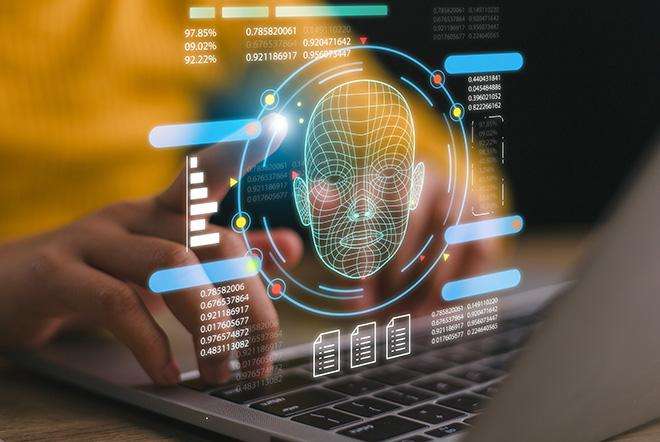
AI image detector technology is leading the fight against deepfakes. It offers a strong solution to the growing issue of synthetic media. As deepfakes become more sophisticated, we need better methods of detecting them and stopping them.
Detection Methods: Analyzing Digital Fingerprints
AI image detectors find digital fingerprints in deepfakes. These fingerprints are tiny details that humans may miss. Advanced algorithms and machine learning help these detectors spot these signs.
They learn from huge datasets of real and fake images. This training makes them better at catching deepfakes over time. It helps them keep up with new tricks from bad actors.
Real-World Applications in Security and Verification
AI image detectors have many uses in security and verification. In finance, fraudsters are stopped by spotting fakes IDs and deepfakes used in phishing schemes.
They can be used to verify the authenticity of images and videos on social media. This fights against fake news. In law and government, they verify evidence and keep digital documents safe.
Current Success Rates and Technological Challenges
AI image detectors have shown good results but still face challenges. We must improve their accuracy and reduce false alerts. We must also keep up with the latest deepfake techniques.
These detectors’ success depends on their task and training. As AI improves, so too will these detectors. Research is needed to improve their effectiveness against deepfakes.
Conclusion
Deepfakes, digital fraud and other threats are urgent. AI image detectors can be a powerful tool to combat these threats. They protect us against manipulated media.
Understanding deepfakes, AI image detectors and AI image detection is important. This knowledge will help us to stay safe on the internet. We can make the digital universe safer by using AI and staying up to date on AI safety.
We must be vigilant and take action quickly to prevent digital fraud as deepfakes improve. We can reduce the risk of deepfakes by using the right tools and information. This will make the digital world a more trusted place.
Stay in touch to get more updates & news on Wepbound!