Nativität: The Story, Spirit, and Living Meaning of the Nativity
When we talk about the Nativität, or Nativity, we’re talking about far more than a single moment in history. We’re talking about a story that has shaped faith, art, culture, and human emotion for centuries. The Nativity tells the story of beginnings, of hope arriving quietly, of light appearing in the most unexpected place. It’s gentle, humble, and deeply powerful all at once.
For us, the Nativität isn’t just something we look at during a season. It’s something we return to again and again, because it speaks to universal feelings—love, vulnerability, faith, and renewal. Over time, this scene of a child born in a stable has become one of the most cherished and meaningful themes across the world.
Quick Info About Nativität
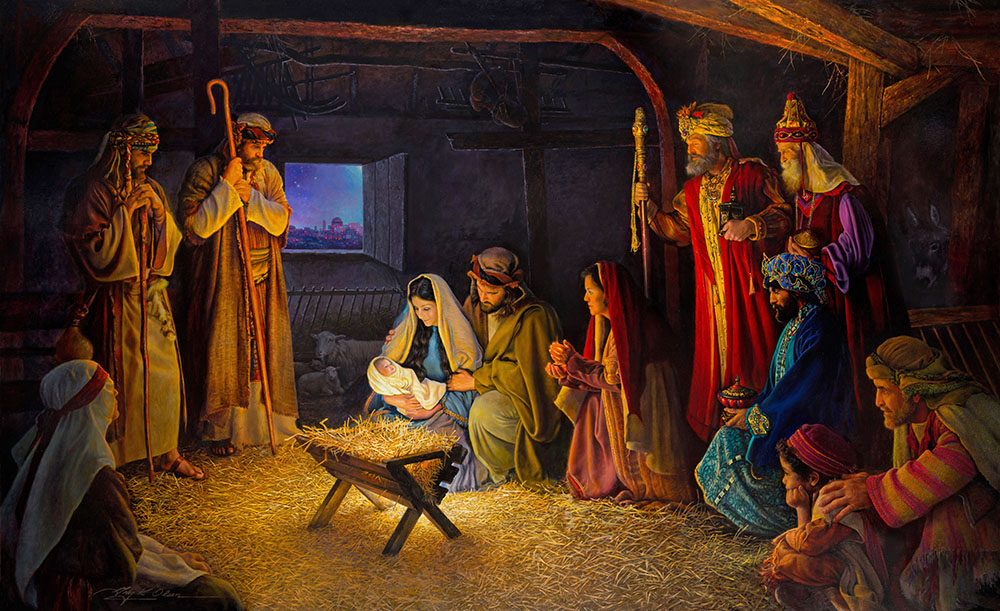
The word Nativität comes from Latin roots meaning “birth.” In Christian tradition, it refers specifically to the birth of Jesus Christ. The Nativity scene usually includes Mary, Joseph, the infant Jesus, angels, shepherds, animals, and later the Magi. Beyond religion, it has become a cultural and artistic symbol of hope, humility, and peace.
The Heart of the Nativity Story
At its core, Nativity is about simplicity. A child is born not in a palace, but in a stable. There’s no grandeur, no royal announcement—just a quiet moment shared by a small group of witnesses. And yet, this moment is believed to change the course of history.
What makes the Nativität so moving is that it flips expectations. Instead of power and wealth, we see humility and care. Instead of distance, we see closeness. The story reminds us that greatness doesn’t always arrive with noise. Sometimes, it arrives softly, asking us to slow down and pay attention.
Why the Nativität Matters to Us Today
Even in the modern world, Nativity continues to matter. We live in fast-moving times, surrounded by pressure, noise, and constant change. The Nativität invites us to pause. It reminds us of the value of compassion, patience, and quiet strength.
For many of us, Nativity becomes a mirror. It reflects our own longing for peace and belonging. It asks us to care for others, especially those who are vulnerable. It also encourages us to believe that even small beginnings can carry great meaning.
Nativität in Art Through the Ages
One of the most beautiful things about the Nativität is how artists have interpreted it across centuries. From early Christian murals to Renaissance masterpieces and modern interpretations, the Nativity has never stopped inspiring creativity.
Artists have used light to highlight the child, shadows to suggest mystery, and everyday settings to bring the scene closer to real life. Some versions feel grand and celestial, filled with angels and glowing skies. Others feel intimate and earthy, focusing on the tenderness between mother and child.
Through art, we don’t just see Nativity—we feel it. Each artist adds their own perspective, shaped by their time, culture, and personal faith. This ongoing reinterpretation keeps the Nativität alive and relevant.
The Symbols Within the Nativity
Every element in the Nativity scene carries meaning. The stable represents humility. The animals symbolize creation sharing in the moment. The shepherds remind us that ordinary people are invited into extraordinary moments. The star points toward guidance and hope.
Mary often represents trust and quiet strength. Joseph reflects protection and faithfulness. Together, they form a picture of care, patience, and responsibility. These symbols aren’t meant to overwhelm us; they’re meant to guide us gently toward deeper understanding.
Cultural Expressions of Nativität
Across different countries and cultures, the Nativität takes on unique forms. Some communities create elaborate Nativity displays, while others keep it simple. Some retell the story through music and plays, while others express it through food, crafts, and traditions.
What connects all these expressions is the shared desire to honor the story and keep it alive. Each culture adds its own voice, proving that the Nativity isn’t limited by geography or time. It belongs to everyone who finds meaning in it.
The Nativity as a Family Tradition
For many of us, Nativität is deeply tied to family memories. Setting up a Nativity scene together, telling the story to children, or attending a Christmas service becomes a way of passing values from one generation to the next.
These traditions aren’t just about repeating rituals. They’re about creating moments of connection. When we gather around the Nativity, we’re reminded of love, care, and togetherness. These moments often stay with us long after the season ends.
Nativität in Modern Life
In today’s world, the Nativity still speaks clearly. Even outside religious contexts, it’s recognized as a symbol of peace and goodwill. We see it used in art, storytelling, and community spaces as a reminder of shared humanity.
Modern interpretations often focus on inclusion and compassion. Some artists place the Nativity in contemporary settings to show that its message is still relevant. These creative approaches invite us to see the story not as distant history, but as something happening right now.
The Emotional Power of the Nativity
There’s something deeply emotional about the Nativität. It’s tender, fragile, and full of quiet hope. The image of a newborn child touches something universal within us. It reminds us of our own beginnings and our need for care and love.
This emotional connection is why Nativity continues to resonate. It doesn’t demand attention—it earns it. It draws us in with its simplicity and leaves us with a sense of calm and reflection.
Faith and the Nativität
For those who approach Nativity through faith, it represents a moment of divine closeness. God entering the world as a child speaks to humility and love in its purest form. It’s a reminder that faith isn’t only about power, but about presence.
The Nativität invites believers to live with compassion, patience, and generosity. It sets a tone for how we treat one another and how we understand our place in the world.
Teaching Values Through the Nativity
Nativity is often used as a teaching tool, especially for children. Through its simple story, we learn about kindness, sharing, and empathy. We learn that everyone matters, no matter how small or overlooked they may seem.
These lessons don’t lose their power as we grow older. In fact, they often become more meaningful as life becomes more complex. The Nativität reminds us of what truly matters.
The Role of Storytelling
Storytelling keeps Nativity alive. Whether we read it, watch it, or retell it in our own words, each telling adds new life to the story. It allows us to connect personally and emotionally, rather than just intellectually.
When we tell the story of the Nativität, we’re not just preserving tradition—we’re shaping meaning. Each retelling becomes an invitation to reflect, to feel, and to connect.
Nativität and Community
Nativity has always been about togetherness. It brings people into a shared space, whether that’s a church, a home, or a public square. Community Nativity displays and performances remind us that we’re not alone.
These shared experiences create bonds. They allow us to pause and reflect together, reinforcing a sense of belonging and shared purpose.
Why the Nativität Endures
The reason the Nativität endures is simple: it speaks to the heart. It doesn’t rely on complexity or grandeur. Its power lies in its honesty and humility. It tells us that hope can begin anywhere, even in the most unexpected places.
As long as people seek meaning, connection, and peace, the Nativity will continue to matter. It will continue to inspire art, tradition, and reflection.
Living the Message of the Nativity
Nativität isn’t just something we look at—it’s something we live. Its message encourages us to act with kindness, to care for others, and to value simplicity. It challenges us to bring light into quiet places.
When we carry the spirit of the Nativity into our daily lives, we honor its true meaning. We become part of the story, continuing its message through our actions.
Closing Thoughts on Nativität
The Nativität remains one of the most meaningful and beloved themes in human history. It connects faith, art, culture, and emotion in a way few stories can. It invites us to slow down, reflect, and remember what truly matters.
For us, Nativity is more than tradition. It’s a reminder of hope, humility, and love—values that never go out of season. And as long as we continue to share and live these values, the story of the Nativität will remain alive, meaningful, and deeply human.