Pre Nursery Schools Near Me: How to Choose the Best Local Program for Your Child
Searching for pre nursery schools near me can feel overwhelming, but you can find a place that matches your child’s needs with a focused approach. Start by identifying programs close to home, checking accreditation and reviews, and visiting classrooms to see how teachers interact with children.
You’ll learn how to compare program types, what to ask about safety and curriculum, and how enrollment timelines work so you can move quickly when you find the right fit. Use this guide to narrow options, schedule visits, and complete admissions steps with confidence.
Finding the Best Pre Nursery Schools Near Me
Look for programs that match your child’s daily routine, social needs, and your schedule. Focus on safety, staff qualifications, learning approach, location, and transparent fees to narrow options quickly.
Key Features to Consider in Pre Nursery Schools
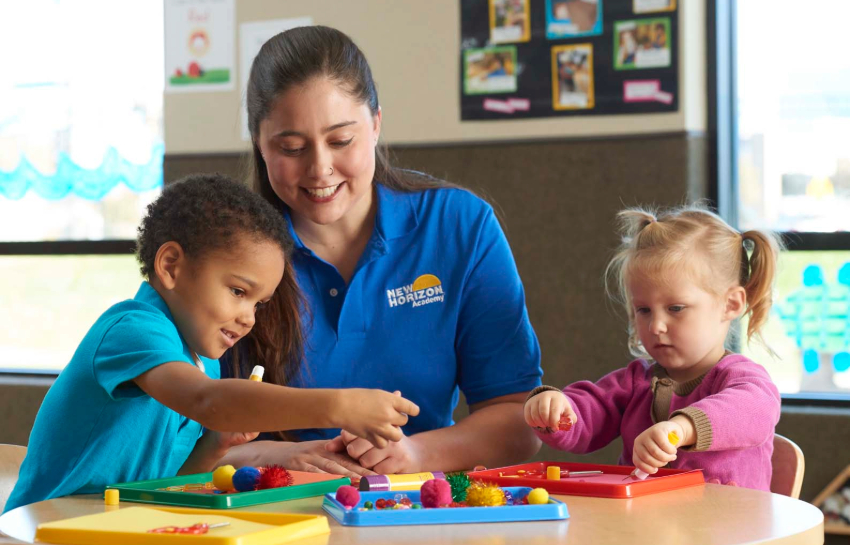
Inspect teacher-to-child ratios and staff credentials first — certified early childhood educators and consistent aides matter for young children. Ask for the exact ratio during peak hours and whether substitutes meet the same qualifications.
Evaluate daily schedules: look for a predictable mix of short free-play blocks, guided activities, outdoor time, and quiet rest. Check whether the curriculum emphasizes language, motor skills, and social routines appropriate for ages 18–36 months.
Confirm safety and licensing: tour the facility, note secure entry, outdoor fencing, and first-aid/CPR training on staff records. Review illness policies, pickup procedures, and emergency plans in writing.
Assess communication practices: ask how teachers share progress (daily reports, apps, photos) and whether they hold regular parent meetings. Clear, frequent updates help you track adjustment and learning milestones.
Benefits of Local Pre Nursery Education
Choosing a local program reduces travel time, which lowers daily stress for you and your child. Shorter commutes make consistent attendance easier and support stable drop-off/routines.
Nearby schools often offer smoother transitions into local kindergartens because staff understand feeder-school expectations. That familiarity can help with curriculum alignment and social connections that matter at entry to formal schooling.
Local programs make involvement practical: you can attend events, meet staff in person, and respond quickly to issues. Proximity also allows quicker emergency responses and easier swaps of care when schedules change.
How to Research Schools in Your Area
Start with an online shortlist from local directories and platforms that include verified reviews, photos, and up-to-date licensing details. Filter by distance, hours, and price before calling.
Schedule at least two tours at different times of day to observe arrival, meals, nap, and outdoor play. Bring a checklist: safety, ratios, hygiene, activity variety, and teacher interaction style.
Talk to current parents and ask concrete questions: “How did your child handle the first month?” and “How does staff handle separation anxiety?” Verify answers against your observations.
Request written policies on discipline, sickness, and refunds. Compare tuition and extra fees side-by-side to understand total monthly cost and notice periods.
Enrollment and Admission Process
You’ll need to prepare documents, meet age and health requirements, and visit schools to compare routines, staff, and safety. Timing, fees, and waitlist policies often decide whether your child secures a spot.
Typical Requirements for Pre Nursery Admissions
Most pre-nursery programs set a minimum age (commonly 2–3 years) and require proof of age such as a birth certificate or passport. Expect immunization records or a signed exemption form, and a basic health form completed by your pediatrician.
Schools usually ask for enrollment forms, emergency contact information, and proof of family residence for priority placement. Some programs require a nonrefundable registration fee and the first month’s tuition or deposit to hold a place. Prepare recent family contact details and any custody documentation if applicable.
Certain centers request a brief intake questionnaire about your child’s eating, sleeping, toileting, and social skills. If your child has special needs, share IEPs, therapy reports, or a physician’s note early to confirm appropriate support and placement.
Visiting and Evaluating Potential Schools
Schedule visits during active hours so you can observe drop-off, free play, and snack or nap routines. Note classroom ratios, teacher interactions, and how staff manage transitions and conflicts; these reveal daily expectations and culture.
Ask for staff qualifications: verification of early childhood credentials, background checks, and ongoing training plans. Request a sample weekly schedule and a list of safety policies (emergency drills, staff-to-child ratios, pick-up protocols).
Check licensing and accreditation status, and read recent inspection reports if available. Discuss fees, withdrawal policies, and waitlist procedures in person, then compare notes across schools to choose the program that matches your childcare needs and schedule.
Keep an eye for more latest news & updates on Wepbound!